In this article, we delve into the process AC contractors use to identify and resolve problems with air conditioning systems. Understanding these steps can help homeowners maintain their systems better and know when to call a professional.
1. What are Common Signs of AC Problems?
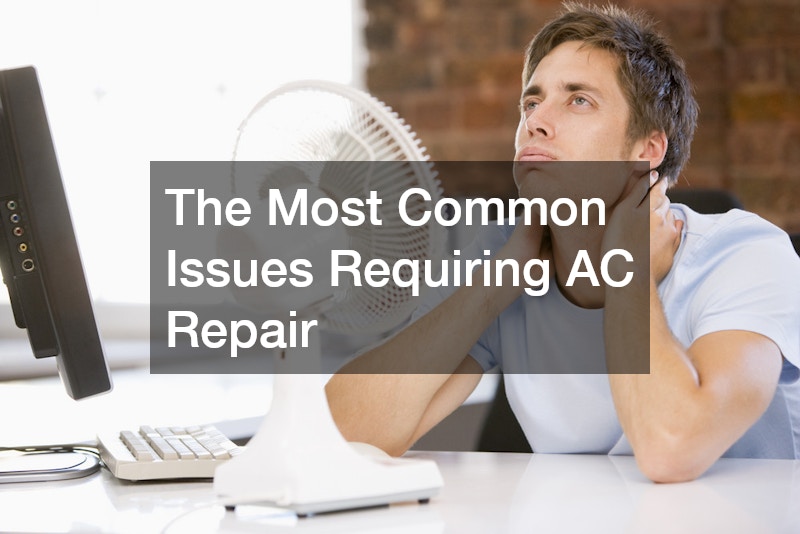
Air conditioning problems can manifest in various ways, and recognizing these signs early can prevent more extensive damage. Inconsistent cooling is a frequent issue homeowners face, where some rooms are cooler than others or don’t reach the set temperature.
This inconsistency could be due to a failing compressor, clogged filters, or even duct issues. Unusual noises coming from the AC, such as grinding, squealing, or banging, often indicate mechanical problems that need prompt attention. Ignoring these noises could lead to further damage and costly repairs.
Another common sign is frequent cycling, where the AC turns on and off more frequently than normal. This behavior can result from an oversized unit, electrical issues, or thermostat malfunctions. High humidity levels inside the home, despite the AC running, indicate that the system is not properly dehumidifying the air. This can cause discomfort and lead to mold growth. Additionally, if you experience an unexpected spike in energy bills, it may be due to an inefficient AC struggling to maintain the desired temperature.
Each of these issues, if left unchecked, can lead to system failure and further complications. It is essential to address them as soon as they arise to maintain your AC’s performance and longevity. Homeowners should start by inspecting the air filters, checking for blockages, and ensuring the thermostat is functioning properly. However, when the issues are beyond basic maintenance, calling in a professional AC contractor is advisable. Professionals can provide accurate diagnostics and effective solutions, preventing small problems from escalating.
2. How Do AC Contractors Diagnose System Failures?
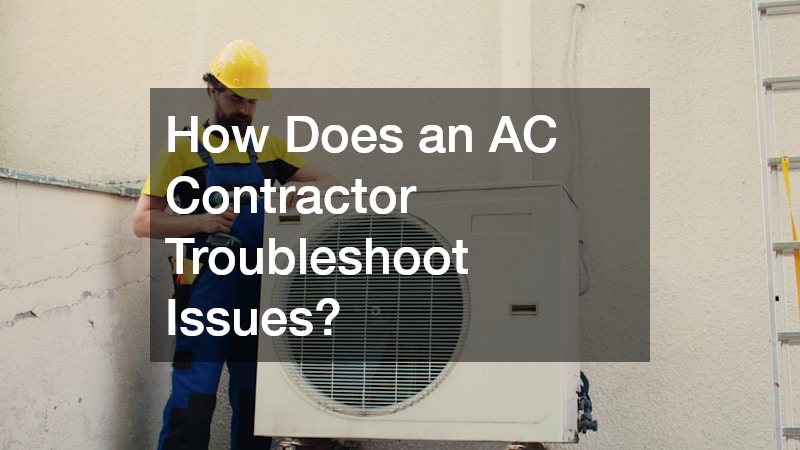
Professional AC contractors have a systematic approach to diagnosing system failures, beginning with an initial assessment. This step involves a visual inspection of the unit and listening for unusual sounds that could indicate a problem. Contractors also ask homeowners about their experiences with temperature inconsistencies, unusual noises, or fluctuations in energy bills. This information provides essential clues that guide subsequent diagnostic steps. The initial assessment also includes checking the filters and ensuring the thermostat’s settings and calibration are correct.
Once the initial assessment is complete, the contractor focuses on identifying faulty components. This can involve checking the compressor, fan motors, coils, and other critical parts for signs of wear and damage. By pinpointing malfunctioning components, contractors can replace or repair them as needed. Checking refrigerant levels is another key diagnostic step. Low refrigerant levels can indicate leaks, resulting in poor cooling performance, and should be addressed immediately to prevent further damage.
Evaluating electrical connections is a crucial part of the diagnostic process due to potential safety hazards associated with faulty wiring. Contractors use specialized tools to ensure connections are secure and functioning correctly. Diagnostic tools like multimeters and manifold gauges are employed to obtain accurate readings of electrical currents and pressure levels within the system. Through these thorough diagnostic procedures, AC contractors can ensure their repairs address the primary issue effectively, preventing future system failures and optimizing performance.
3. What Tools and Equipment are Used?
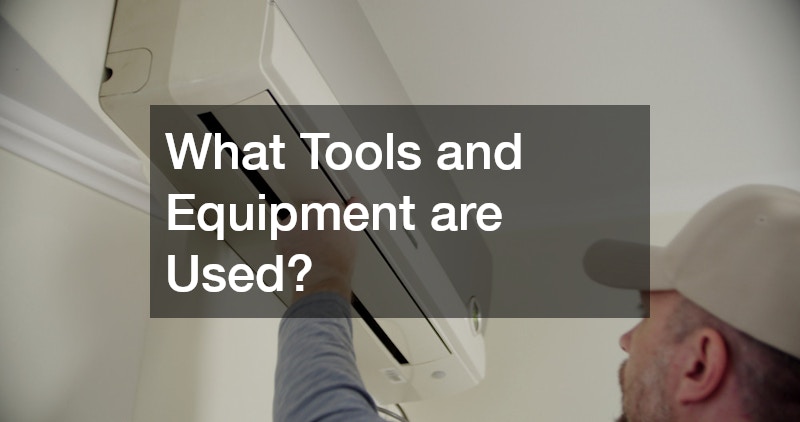
AC contractors rely on a variety of tools and equipment to diagnose and repair air conditioning systems accurately. Multimeters, for example, are essential tools used to measure voltage, current, and resistance within the electrical components. With these measurements, contractors can identify electrical issues that may be affecting the system’s performance. Manifold gauges are another critical tool, used to measure refrigerant pressure, which helps in diagnosing leaks and assessing the system’s overall health. Leak detectors are then used to pinpoint specific areas where refrigerant might be escaping.
Thermometers are essential for measuring the temperature of both the air entering and leaving the AC system. This data helps in determining the effectiveness of the cooling process and identifying potential problems with the heat exchange components. Vacuum pumps are employed to remove moisture and air from the system before recharging it with refrigerant, ensuring optimal operation after a repair. The precision these tools provide helps contractors deliver accurate diagnoses and efficient repairs, which are vital to system longevity.
Using the right tools not only aids in effective troubleshooting but also ensures safety. Contractors are trained to handle advanced diagnostic equipment safely, minimizing risks related to electrical shocks or refrigerant exposure. Homeowners are advised against using these tools without proper training and understanding, as improper use can worsen existing issues or damage components further. When dealing with complex AC problems, relying on trained professionals with the right equipment ensures the best outcomes for the system’s performance and safety.
4. Why is Regular Maintenance Important?
Regular AC maintenance is a proactive measure that can significantly extend the lifespan of the system. During routine maintenance, contractors clean the components, replace filters, and ensure all parts are functioning correctly. Addressing these small issues early prevents them from developing into major problems that necessitate costly repairs or replacements. Furthermore, regular maintenance enhances the system’s efficiency, ensuring it operates at peak performance and consumes less energy. This efficiency reflects in lower utility bills and a reduced carbon footprint.
Maintaining the system also helps in improving indoor air quality, as clean filters and ducts prevent the circulation of dust and allergens. Well-maintained systems can better regulate humidity levels, creating a more comfortable and healthier living environment. Routine inspections can help in identifying safety issues, such as faulty wiring or gas leaks, ensuring the system operates safely. This proactive approach not only protects the equipment but also safeguards the health and safety of the household.
In essence, routine professional maintenance is an investment in extending the life of your AC system while optimizing its performance and safety. Homeowners should schedule yearly maintenance checks before the summer months when the system is used most. This ensures that any issues are resolved before they lead to system inefficiencies or breakdowns during peak usage. Regular maintenance by a professional contractor is an essential practice for effective air conditioning management, preventing potential problems before they impact comfort and wallet.
5. When Should You Call a Professional?
There are several scenarios where calling a professional AC contractor is the best course of action. If you notice strange odors or sounds coming from your unit, it could indicate serious issues such as mold growth or mechanical failure. Professional contractors have the expertise to identify these problems and provide suitable solutions. Inconsistent temperatures across different rooms can also be a sign of ductwork issues or thermostat malfunctions, which require expert assessment and repairs. Additionally, water leaks around your AC unit could indicate clogged or broken drain lines, needing professional intervention to prevent water damage and mold growth.
Electrical issues, such as frequent trips of circuit breakers or system shutdowns, should never be taken lightly. These issues could be caused by electrical shorts or overloaded circuits, posing significant safety hazards. Without proper diagnostic equipment and expertise, attempting DIY fixes on electrical components can be dangerous. Therefore, when faced with electrical problems, reaching out to a professional is critical for safety and effective resolution. Lastly, if previous DIY attempts to fix an issue haven’t worked, it’s time to seek professional help.
Professional contractors not only resolve existing issues but also prevent future occurrences through their comprehensive knowledge of HVAC systems. They ensure that all repairs and maintenance tasks comply with industry standards and safety regulations, safeguarding the system’s performance and the occupants’ well-being. Whether dealing with minor inefficiencies or major failures, consulting a professional ensures that your air conditioning system operates smoothly and safely, ultimately leading to peace of mind and enhanced comfort.
By understanding how AC contractors troubleshoot and resolve issues, homeowners can better care for their HVAC systems and know when it’s time to consult an expert. Regular maintenance and professional assessment are key components of effective air conditioning management. Staying proactive with care can prevent costly repairs and ensure a comfortable home environment for years to come.