Key Takeaways
- Focus on small weekend projects that improve both the appearance and function of your backyard.
- Create affordable seating areas with simple materials such as gravel, edging, and furniture you already own.
- Refresh fences, planters, and outdoor furniture before spending money on replacements.
- Use solar lights and string lights to make outdoor spaces safer and more inviting after dark.
- Add herbs, vegetables, and decorative plants to bring color and practical value to the yard.
- Improve privacy with strategically placed plants or outdoor screens instead of major construction.
- Reuse existing materials and complete projects gradually to keep backyard improvements within budget.
A great backyard does not have to cost thousands of dollars or require weeks of construction. With smart planning, basic tools, and affordable materials, you can make noticeable improvements in just one weekend. The goal is not to completely redesign your yard. Instead, focus on small DIY projects that make the space more comfortable, attractive, and useful.
Before buying materials, walk around your backyard and identify the areas that need the most attention. Maybe your patio feels empty, your outdoor furniture looks worn, or your garden lacks color. Choosing one or two problem areas can help you spend your money where it will have the biggest impact. It also keeps your weekend project manageable.
Many budget backyard ideas use materials you may already have at home. Old furniture can be refinished, leftover bricks can become garden borders, and inexpensive gravel can create a useful seating area. The following projects are designed to provide practical improvements without requiring advanced DIY skills or a large renovation budget.
1. Create a Gravel Seating Area
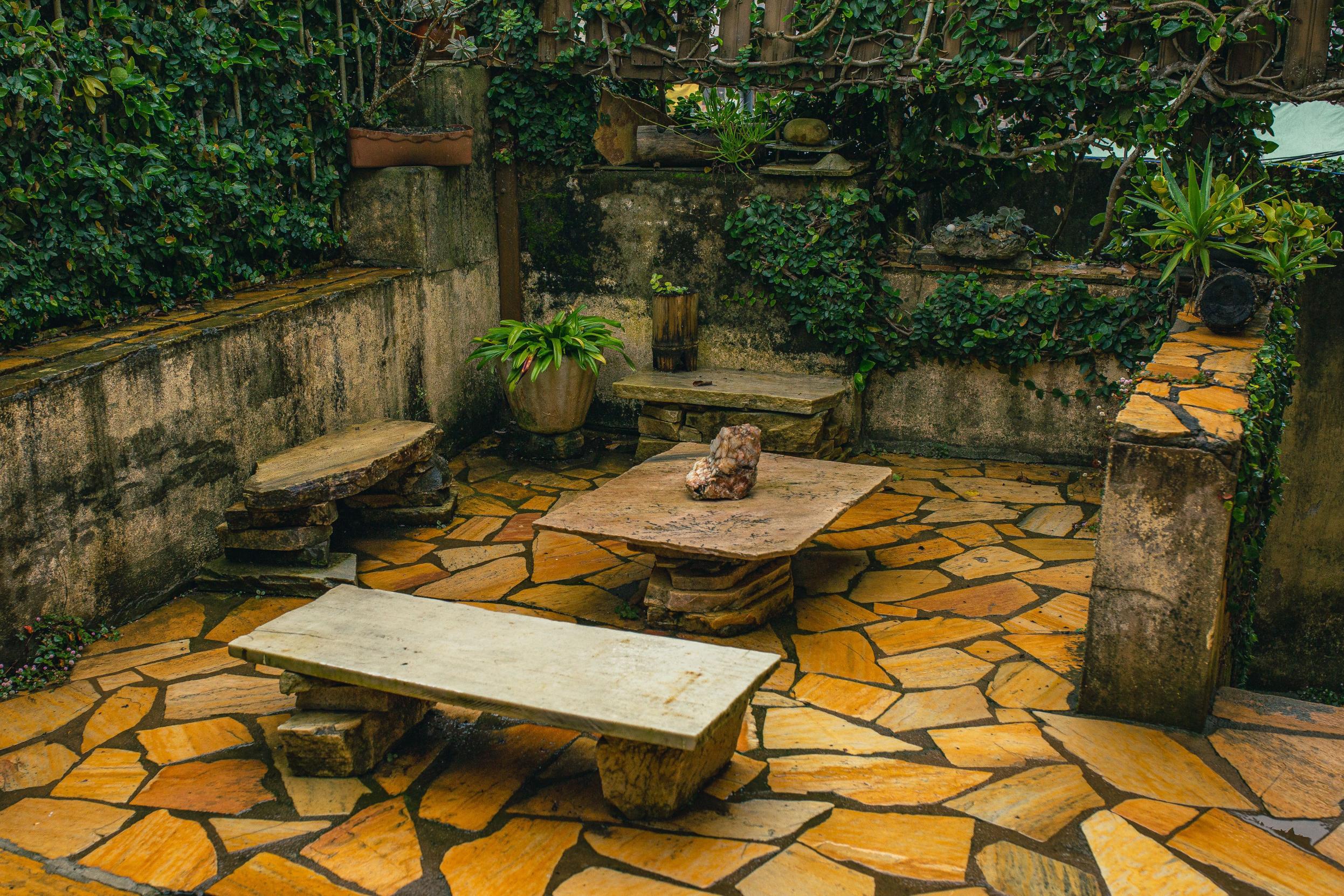
Building a full concrete or paver patio can become expensive, especially when excavation and professional installation are required. A gravel seating area offers a simpler and more affordable alternative. It can provide enough space for chairs, a small table, or a bench while giving an unfinished section of the yard a clear purpose.
Choose a relatively flat location and mark the desired shape using stakes and string. Remove the grass and weeds inside the marked area. Level the soil and compact it before installing landscape fabric. The fabric can help reduce weed growth and keep the gravel from mixing with the soil underneath.
Spread gravel evenly across the prepared area and use a rake to create a smooth surface. Landscape edging, bricks, stones, or treated boards can help keep the gravel contained. Once the base is finished, bring in furniture you already own rather than buying a completely new outdoor set.
A few planters or outdoor pillows can make the finished area feel more welcoming without adding much to the project cost.
Key points:
- Choose a level section of the backyard.
- Prepare the ground before adding gravel.
- Install edging to help contain loose stones.
- Reuse existing furniture whenever possible.
2. Build Affordable DIY Planters
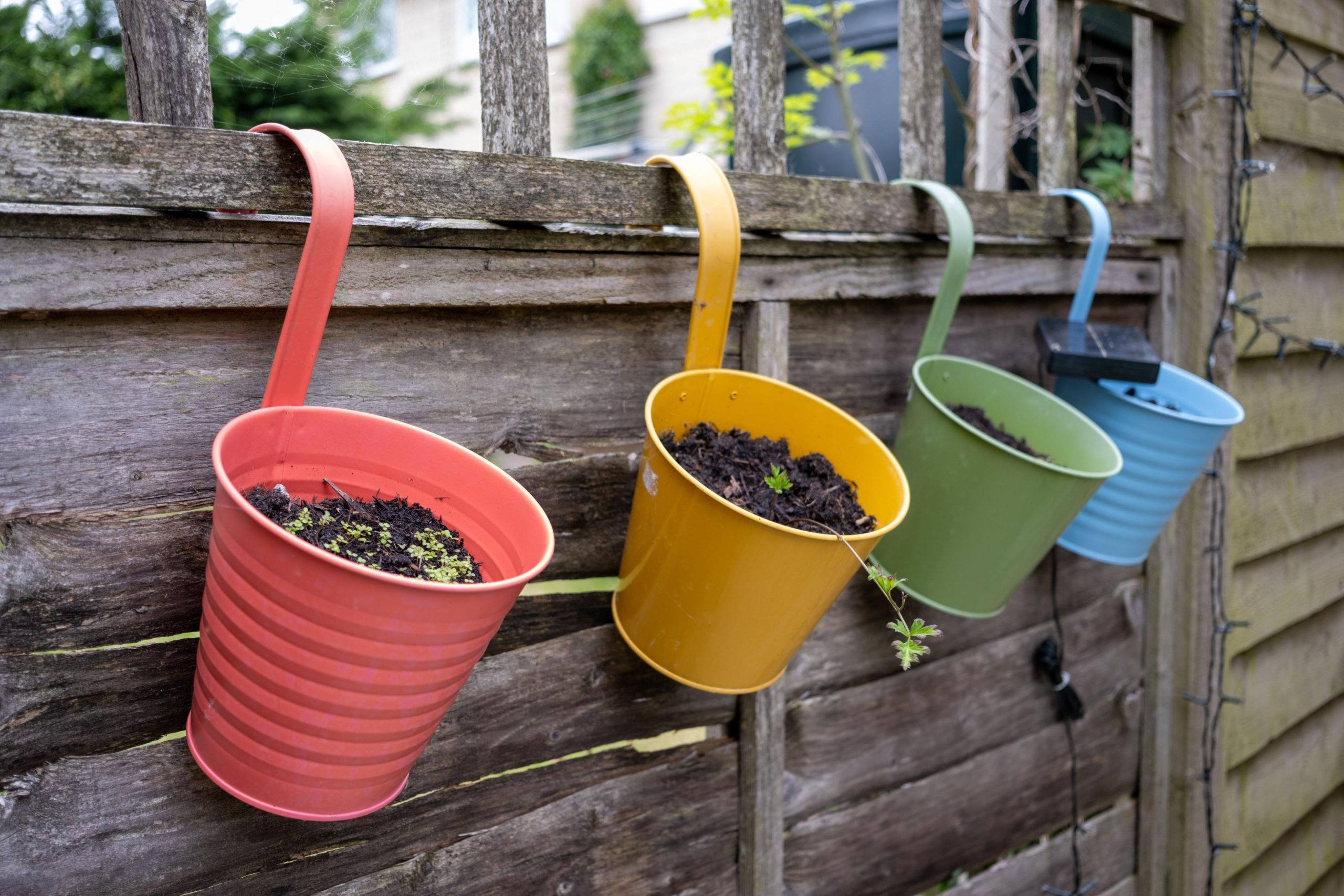
Plants can quickly add color and texture to a plain backyard. However, large decorative planters can be expensive. Building your own containers or refreshing old ones allows you to create a similar effect for less money.
Simple rectangular planter boxes can be made with outdoor-suitable lumber. Measure your available space before cutting the boards so the finished planter fits comfortably beside a patio, fence, or seating area. Include drainage openings so excess water does not collect around plant roots.
You can also reuse existing containers. Old pots may only need a thorough cleaning or a fresh coat of suitable outdoor paint. Buckets and other sturdy containers may also work when they are safe for the plants you plan to grow and have adequate drainage.
Instead of filling every container with expensive mature plants, purchase smaller plants and allow them to grow. Herbs and annual flowers are often good choices for homeowners who want an immediate but affordable update.
Key points:
- Customize planter dimensions for your backyard.
- Provide adequate drainage.
- Refresh old pots before purchasing replacements.
- Start with smaller plants to reduce costs.
3. Install a Simple Garden Path
Adding a path can make a backyard look more organized while creating a practical route between important areas. A walkway can connect your patio to a garden, shed, gate, or seating area without requiring expensive masonry.
One of the simplest methods is using stepping stones. Lay them on the ground first and walk across them to determine comfortable spacing. Once you are happy with the layout, remove enough soil beneath each stone so it can sit securely and close to ground level.
Gravel and mulch are other affordable options. Mark the path, remove unwanted grass, and prepare the ground before spreading the material. Landscape fabric beneath gravel may help limit weeds.
Use inexpensive edging to keep the walkway neat. Bricks, landscape borders, or stones may work depending on the style of your yard. A defined path can also reduce foot traffic across garden beds and muddy sections of the lawn.
Key points:
- Connect areas people frequently walk between.
- Test stepping-stone spacing before installation.
- Use gravel or mulch for an affordable pathway.
- Add edging for a cleaner appearance.
4. Improve the Backyard With Outdoor Lighting
Good lighting can make a backyard more useful after sunset. It can also highlight plants, walkways, and seating areas. Fortunately, adding basic outdoor lighting does not always require hiring an electrician.
Solar pathway lights are one of the easiest choices. Place them beside walkways, garden beds, or steps where their solar panels can receive adequate sunlight. Since they do not require electrical wiring, installation is usually quick.
Outdoor string lights can create a comfortable atmosphere around patios and dining spaces. They can be attached to suitable posts, pergolas, or other secure supports. Always use products rated for outdoor conditions and follow the installation instructions.
Rather than placing lights everywhere, focus on the spaces you actually use. Lighting a walkway, seating area, and a few landscape features can make the backyard feel inviting without purchasing dozens of fixtures.
Key points:
- Use solar fixtures for simple installation.
- Place lights near paths and gathering areas.
- Choose lighting designed for outdoor conditions.
- Avoid overlighting the entire backyard.
5. Refresh Your Fence and Property Boundaries
Because fences often surround a large part of the backyard, their condition can influence the appearance of the entire space. A dirty or faded fence may make an otherwise attractive yard look neglected.
Start by inspecting your fence. Look for loose boards, damaged panels, rust, unstable posts, and other signs of wear. Complete minor repairs before making cosmetic changes. Depending on the fence material, cleaning may remove years of dirt, mildew, and discoloration.
Wood fences may benefit from a new stain or exterior paint if the material is still in good condition. Metal fencing may need rust treatment and a suitable protective coating. Always use products designed for the specific surface and outdoor exposure.
If the existing fence has serious damage, compare property fencing options before investing heavily in cosmetic repairs. Different materials offer different levels of privacy, maintenance, durability, and cost. A small repair may make sense for a sturdy fence, while a badly deteriorated one may eventually need replacement.
For a quick visual update, consider adding lightweight hanging planters or climbing plants where appropriate. These details can soften the appearance of a plain boundary.
Key points:
- Inspect the fence before making cosmetic upgrades.
- Repair loose or damaged sections first.
- Use finishes suitable for the fence material.
- Avoid spending heavily on a fence that needs replacement.
6. Create an Outdoor Dining Area
You do not need a built-in kitchen to enjoy meals outside. A basic table and comfortable chairs can turn an unused patio or corner of the yard into a practical dining area.
Begin by looking at furniture you already own. A suitable table may be refreshed with an outdoor finish rather than replaced. Chairs can be cleaned and updated with weather-resistant cushions.
Place the furniture on a stable surface such as a deck, patio, or prepared gravel area. Make sure chairs have enough room to move without tipping onto uneven ground. If the location receives strong sunlight, add an outdoor umbrella or properly installed shade sail.
A few inexpensive details can help the space feel intentional. Add a planter to the table, hang outdoor string lights nearby, or use a weather-resistant rug to visually define the dining area.
Keeping the design simple also makes maintenance easier. Outdoor spaces are exposed to dirt, rain, sunlight, and leaves, so choose items that can be cleaned easily.
Key points:
- Reuse suitable furniture to control costs.
- Choose a stable surface for tables and chairs.
- Provide shade when needed.
- Select accessories designed for outdoor use.
7. Give Old Outdoor Furniture a Makeover
Worn outdoor furniture does not always need to be replaced. If the frame is still sturdy, cleaning and refinishing can give an old table, chair, or bench several more years of use.
Start by washing each piece thoroughly. Once it is dry, inspect it for loose hardware, cracks, rust, or damaged joints. Tighten screws and complete appropriate minor repairs before refinishing.
Wood furniture may need light sanding followed by an exterior stain, sealer, or paint. Metal furniture with surface rust may need to be cleaned and prepared before applying a compatible outdoor coating. Follow product instructions carefully, including recommended drying times.
Textiles offer another easy update. Replace worn pillow covers or add a few outdoor cushions in coordinating colors. You do not need every piece of furniture to match. Repeating the same colors or materials can make different pieces feel like they belong together.
Key points:
- Clean furniture before deciding to replace it.
- Repair loose parts before refinishing.
- Choose coatings made for the furniture material.
- Use outdoor textiles to update the overall look.
8. Start a Small Herb or Vegetable Garden
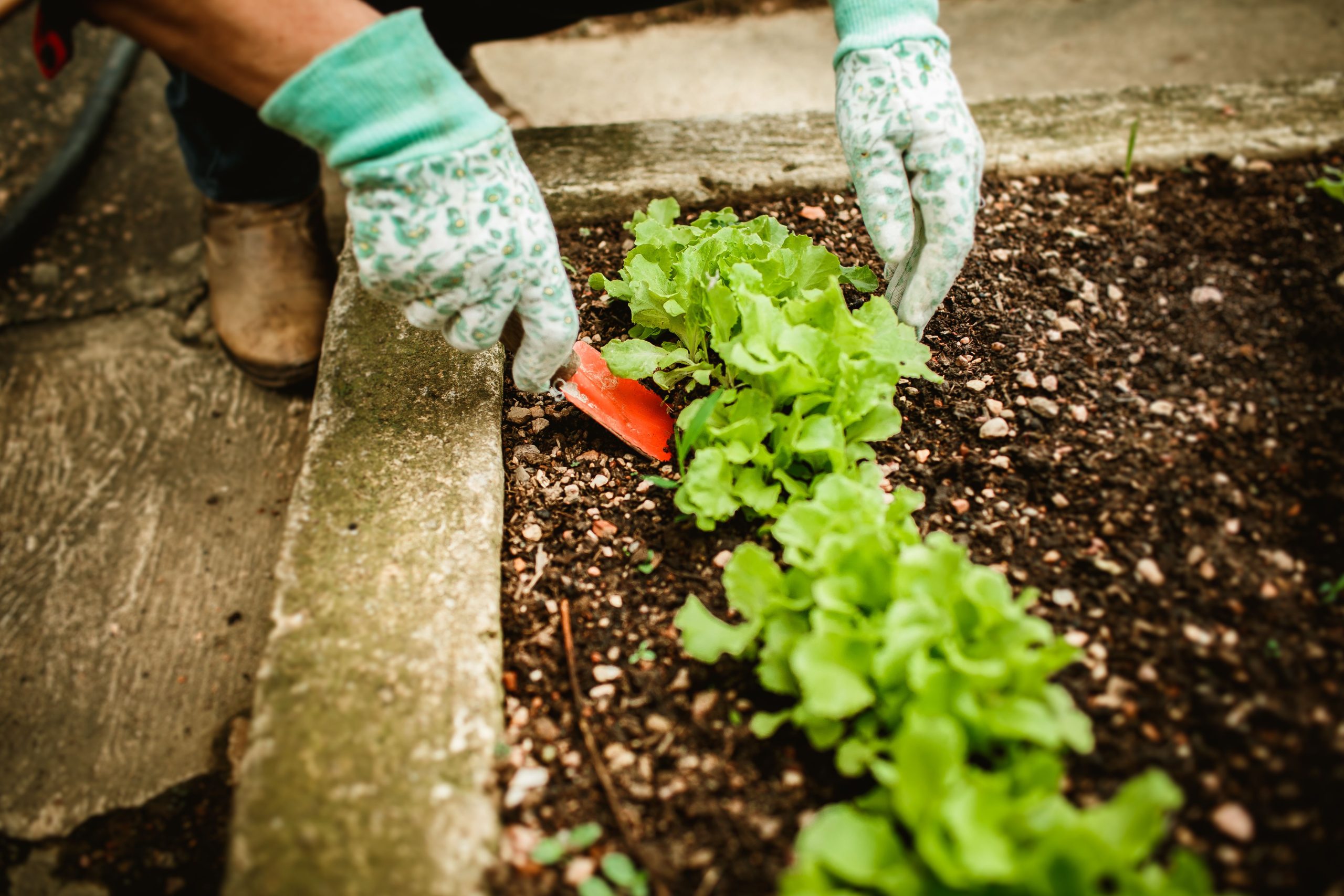
A small garden can make a backyard more attractive while providing fresh herbs or vegetables for your kitchen. You also do not need a large plot of land to get started.
Containers are useful for small spaces and can be placed on patios or other sunny areas. Raised beds are another option if you have enough room. Before planting, observe how much direct sunlight different parts of your backyard receive during the day.
Choose plants that match your climate and available sunlight. Herbs such as basil and parsley can grow well in containers under the right conditions. Tomatoes, peppers, lettuce, and compact vegetable varieties are other possibilities depending on your growing season.
Keep the first garden manageable. Starting with a few containers is often easier than building several large beds. Place plants close to a convenient water source so regular care does not become a chore.
Key points:
- Match plants to your climate and sunlight.
- Use containers when space is limited.
- Start small to keep maintenance manageable.
- Place plants where watering is convenient.
9. Add Privacy Without Major Construction
A more private backyard can feel comfortable and relaxing, but building a large privacy structure may not fit a weekend budget. Smaller additions can provide screening in the areas where you need it most.
For example, tall container plants can help screen a seating area. Outdoor curtains may work with certain covered patios or pergolas when they are installed securely and made for exterior use. A freestanding privacy screen can also help separate a dining or relaxation area from the rest of the yard.
Think strategically rather than trying to block every view. Sit in the area you want to improve and identify the specific sightlines that make the space feel exposed. You may discover that one well-positioned screen or several tall planters provide enough coverage.
Remember that any freestanding feature needs to be stable. Wind can place significant force on screens and panels, so follow installation instructions and secure them properly.
Key points:
- Focus privacy improvements where they matter most.
- Consider tall container plants or outdoor screens.
- Use weather-resistant materials.
- Secure screens against wind and movement.
10. Finish With Low-Cost Decorative Details
Small decorative changes can help separate backyard areas and make the finished space feel more personal. The key is choosing a few useful details instead of filling the yard with decorations.
An outdoor rug can visually define a seating or dining area. Weather-resistant pillows can introduce color, while planters can connect different parts of the yard. You might also use stones or leftover bricks to create simple borders around flower beds.
Before shopping, check your garage, shed, or storage areas. You may already have pots, furniture, containers, or building materials that can be cleaned and reused.
Try repeating a limited number of colors and materials throughout the backyard. Similar planters, wood finishes, or textiles can make separate DIY projects feel like parts of one design.
Most importantly, leave enough open space for people to walk and use the yard comfortably. A functional backyard usually feels more inviting than one filled with unnecessary decorations.
Key points:
- Reuse materials you already own.
- Choose weather-resistant decorations.
- Repeat colors and finishes for a coordinated design.
- Avoid overcrowding small outdoor spaces.
Conclusion
A backyard makeover does not have to involve expensive landscaping, major construction, or weeks of work. Simple DIY projects can improve both the appearance and function of your outdoor space while keeping costs under control. A gravel seating area, refreshed fence, garden path, outdoor lighting, or furniture makeover can create a noticeable difference in just a weekend.
Start with the project that solves the biggest problem in your yard. If you need a place to relax, focus on seating. If the backyard feels dull, add plants and lighting. If it feels unfinished, create paths or clearly defined activity areas. Prioritizing one or two projects prevents you from spending money on improvements you may not need.
You can continue adding upgrades over time as your budget allows. By reusing existing materials, doing manageable projects yourself, and focusing on practical improvements, you can gradually turn an ordinary backyard into a comfortable outdoor space for relaxing, gardening, dining, and spending time with family and friends.